
Fire Safety & Emergency Preparedness
Taking a few simple steps today can help protect your household when an emergency happens. Use these tips to reduce fire risks, prepare essential supplies, and plan ahead.
Home Fire Safety
Check Your Smoke Alarms
- Install smoke alarms in every bedroom, outside each sleeping area, and on every level of your home.
- Test alarms monthly.
- Replace smoke alarms 10 years after their manufacture date, or sooner if required by the manufacturer.
- Follow the manufacturer’s instructions for battery replacement and maintenance.
- Never remove batteries or disable an alarm because of a nuisance alarm.
Cook and Heat Safely
- Stay in the kitchen when frying, grilling, or broiling food. Turn the burner off if you leave.
- Keep items that can burn away from the stovetop.
- Keep space heaters at least 3 feet from anything that can burn.
Make a Home Fire Escape Plan
- Identify two ways out of each room.
- Keep doors, windows, and escape routes clear.
- Choose an outdoor meeting place a safe distance from your home.
- Practice your escape plan with everyone in the household.
- Plan how children and anyone who needs assistance will get out.
If there is a fire, get outside, stay outside, and call 911. Tell firefighters if someone is still inside.
Wildfire Preparedness

Help reduce the chance of wildfire embers igniting materials around your home.
- Clear leaves, branches, and debris from roofs, gutters, porches, and decks.
- Keep the first 5 feet around your home free of combustible materials, including firewood, wood mulch, and dead vegetation.
- Prepare an evacuation plan before a wildfire threatens your area.
- Plan transportation and supplies for pets and anyone who needs assistance.
- Follow instructions from emergency officials and leave promptly when directed.
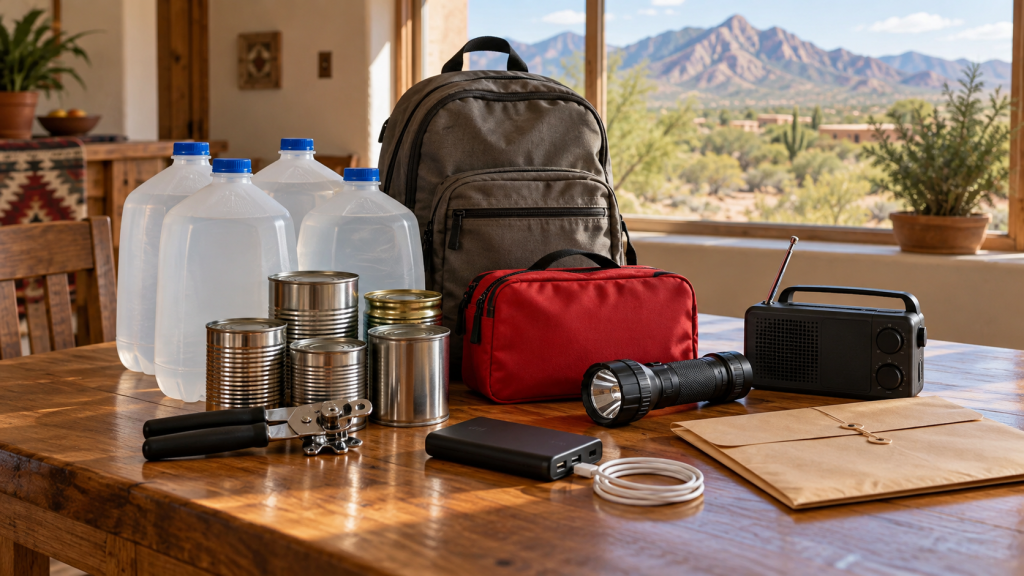
Build an Emergency Kit
Keep supplies together where they are easy to find. Include:
- Water—at least one gallon per person per day for at least three days
- Nonperishable food and a manual can opener
- Flashlights, extra batteries, and a battery-powered or hand-crank radio
- First aid supplies and necessary medications
- Phone chargers and a portable power bank
- Copies of important documents and emergency contact information
- Hygiene supplies
- Supplies for infants, pets, and individual medical or accessibility needs
Check your kit regularly and replace expired supplies.
Stay Informed
Sign up for Cochise County Alerts to receive emergency notifications and severe weather warnings. Keep your contact information and notification preferences current.
Additional Resources
- Smoke Alarm Safety — U.S. Fire Administration
- Home Fire Escape Plans — U.S. Fire Administration
- Emergency Supply Checklist — Ready.gov
For emergencies, call 911.